Unfurling the Brilliance of Intricate Black and White Floral Design in Modern Aesthetics
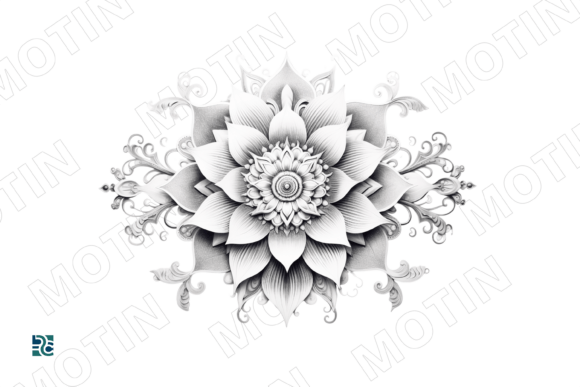
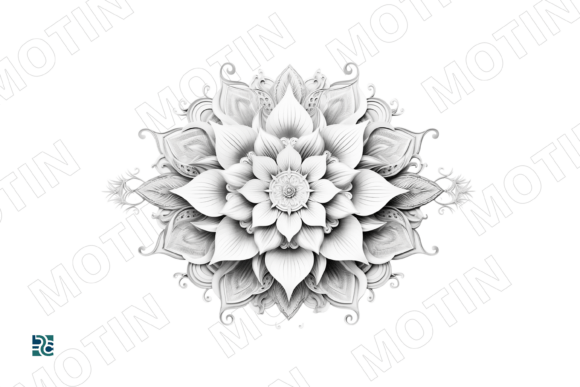
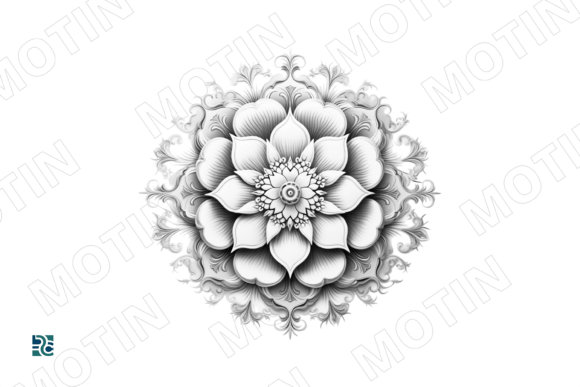
In an era defined by digital saturation and chromatic overload, there is a profound shift occurring in visual communication and interior aesthetics. Designers, marketers, and creative professionals are increasingly turning toward minimalism not as a lack of content, but as a deliberate curation of essence. At the forefront of this movement is Intricate Black and White Floral Design, a stylistic approach that strips away the distraction of color to reveal the structural beauty of nature. Unfurling the brilliance of black and white motifs, this extraordinary floral design represents a symphony of petals and leaves, carefully crafted in a harmonious symmetrical fashion.
This article explores why this monochromatic botanical trend is resonating with contemporary audiences, how it bridges the gap between traditional artistry and digital innovation, and why it has become a cornerstone of modern decor and branding strategies.
The Anatomy of Monochrome Botanical Elegance
To understand the appeal of Intricate Black and White Floral Design, one must first appreciate the technical and artistic rigor it demands. In the heart of the design, a central bloom comes alive via intricate patterns, blending the majestic allure of nature with the spirit of artistic creativity. Unlike colorful illustrations that rely on hue to evoke emotion, black and white compositions depend entirely on line weight, contrast, negative space, and texture.
Witness the exceptional interplay between organic shapes and a sophisticated floral illustration, encapsulating the essence of aesthetic elegance in monochrome. This style is not merely about removing color; it is about amplifying form. The unique graphic design serves as a testament to the transformative power of digital art fused with traditional, hand-drawn techniques. For creators and entrepreneurs, this means that every stroke must be intentional. There is no place for error to hide behind a vibrant background. The result is a visual language that speaks directly to clarity, precision, and sophistication.
Bridging Tradition and Digital Innovation
The resurgence of this style is deeply rooted in the convergence of old-world craftsmanship and new-world technology. Historically, botanical illustrations were scientific tools, rendered in ink to document species with accuracy. Today, these same principles are applied through vector software, tablet styluses, and algorithmic design tools. Exuding a contemporary appeal, this ornamental artwork reflects modern decor trends, making it an ideal choice for stylish wall art or decorative installations.
For freelancers and digital artists, mastering this hybrid workflow is essential. It allows for the scalability required in commercial applications—such as large-format wallpaper or textile printing—while retaining the organic imperfections that make hand-drawn art feel human and authentic. This duality satisfies the modern consumer’s desire for products that feel both technologically advanced and emotionally grounded.
Why Professionals Are Embracing Monochrome Florals
The attention given to Intricate Black and White Floral Design is not accidental. It aligns with several broader shifts in consumer behavior, workplace environments, and brand identity strategies.
- Visual Clarity in Information Overload: In marketing and web design, clean lines and high-contrast imagery help guide the user’s eye without cognitive fatigue. Black and white florals provide decorative interest without competing with primary calls to action or textual content.
- Timelessness and Versatility: Color trends fluctuate rapidly, but monochrome remains perennial. For businesses investing in brand assets or interior fit-outs, this design choice offers longevity. It adapts seamlessly to various color palettes if accent colors are introduced later, ensuring flexibility in evolving design schemes.
- Premium Perception: There is an inherent association between minimalism and luxury. Fine details evoke a sense of meditative tranquility, intricately designed to instill a soothing sense of balance and harmony. Brands leveraging this aesthetic often signal sophistication, exclusivity, and attention to detail.
The Psychological Impact of Symmetrical Harmony
Bold and unique in nature, this stylized flower graphic weaves an enchanting narrative of botanical elegance. Beyond aesthetics, there is a psychological component to why these designs are effective. Human brains are wired to recognize patterns and symmetry. When viewers encounter a perfectly balanced floral motif, it triggers a response of order and calm. In high-stress environments, such as corporate offices or healthcare facilities, this visual tranquility can contribute to improved well-being and focus.
Bask in the artistic grandeur of nature, reimagined through this visually captivating symphony of design elements that conjures images of a blooming, nature-inspired spectacle. For interior designers, this means that black and white floral wallpapers or installations are not just decorative; they are functional tools for spatial modulation. They can soften harsh architectural lines or add depth to minimalist rooms without overwhelming the senses.
Practical Applications Across Industries
The versatility of Intricate Black and White Floral Design extends far beyond gallery walls. Its application spans multiple sectors, demonstrating its relevance in both digital and physical realms.
- Brand Identity and Packaging: Luxury beauty brands and artisanal food producers often utilize these motifs on packaging to convey purity and craftsmanship. The high contrast ensures shelf presence, while the intricate details invite closer inspection, enhancing the unboxing experience.
- Digital UI/UX Elements: Web designers use subtle floral backgrounds or icons to add warmth to sterile tech interfaces. These elements break up text-heavy layouts and provide visual breathing room, improving user engagement metrics.
- Textile and Fashion: From high-end fashion prints to home linens, the monochrome floral pattern offers a chic alternative to bold, colorful prints. It appeals to consumers seeking understated elegance that integrates easily into existing wardrobes or home decors.
- Architectural Surfaces: Laser-cut panels and etched glass featuring these designs are increasingly popular in commercial spaces. They allow light to filter through in complex patterns, creating dynamic shadows that change throughout the day, adding a layer of interactive art to static structures.
Navigating the Creative Workflow
For creators looking to integrate this style into their portfolio or product line, understanding the workflow is crucial. The process typically begins with observational sketching, capturing the organic irregularities of real plants. This stage is vital for maintaining authenticity. Digitization follows, where vectors are refined to ensure clean lines and scalable resolution.
The result is nothing less than a visual banquet, resonating with the verdant beauty of botanical illustration. However, success lies in restraint. Over-complicating the design can lead to visual noise, defeating the purpose of the minimalist aesthetic. Professionals must balance intricacy with readability, ensuring that the "symphony of petals" remains coherent rather than chaotic.
Future-Proofing Your Design Strategy
As we look forward, the demand for meaningful, sustainable, and mentally restorative design will only grow. Intricate Black and White Floral Design fits squarely into this trajectory. It connects viewers to nature—a biophilic imperative—while adhering to the clean, efficient aesthetics preferred by modern digital natives.
Entrepreneurs and marketers should consider how this aesthetic can enhance their storytelling. Whether used in a campaign backdrop, a product package, or an office environment, these designs communicate a respect for tradition, an appreciation for nature, and a commitment to refined taste. By integrating these elements thoughtfully, professionals can create experiences that are not only visually striking but also emotionally resonant.
In conclusion, the rise of monochrome botanical art is more than a passing trend; it is a reflection of our collective desire for clarity, balance, and connection. By embracing the intricate beauty of black and white florals, creators and businesses can craft narratives that endure, inspire, and elevate the everyday experience.