The Strategic Value of the Pirate Hat with Skull and Crossbones in Modern Visual Branding
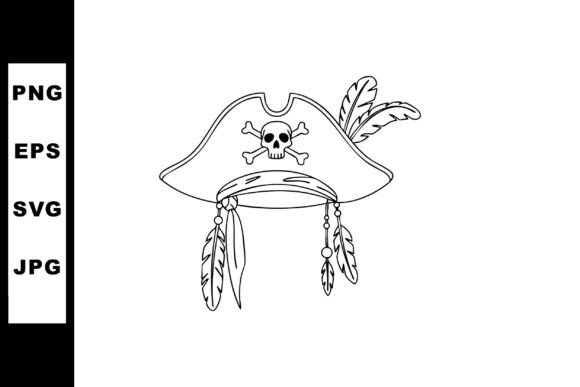
In the evolving landscape of digital design and brand identity, the choice of iconography is rarely arbitrary. Symbols serve as shorthand for complex narratives, allowing creators to communicate tone, intent, and personality instantly. Among the myriad of visual assets available to designers, the Pirate Hat with Skull and Crossbones has emerged as a surprisingly versatile element. Far removed from its historical associations with maritime lawlessness, this symbol has been repurposed by modern professionals to convey boldness, rebellion, and a distinct sense of adventure. When executed as a vector illustration of a pirate hat featuring a skull and crossbones symbol with decorative feathers, presented in simple black line art style, it becomes a powerful tool for contemporary visual communication.
This article explores the relevance of this specific graphic asset, examining why it resonates with current market trends and how it can be effectively integrated into professional workflows. We will discuss the shift toward minimalist aesthetics, the demand for scalable vector graphics, and the psychological impact of bold, classic imagery in branding and marketing.
Reimagining Classic Iconography for Contemporary Markets
The pirate motif has long been a staple in popular culture, but its application in professional design has undergone a significant transformation. Today’s entrepreneurs and marketers are not looking for cluttered, overly detailed illustrations that distract from the core message. Instead, there is a marked preference for clean, decisive lines that hold up across various media formats. The Pirate Hat with Skull and Crossbones, when rendered in a simple black line art style, meets this need perfectly. It strips away unnecessary noise, leaving behind a strong, recognizable silhouette that commands attention.
This shift reflects a broader trend in consumer psychology. Audiences are inundated with visual information daily. To cut through the noise, brands must adopt visuals that are instantly decipherable. The skull and crossbones, universally recognized as a symbol of danger or exclusivity, paired with the tricorn hat, creates a juxtaposition of authority and risk. For businesses positioning themselves as disruptors—whether in tech startups, creative agencies, or lifestyle brands—this imagery signals a willingness to challenge the status quo. It is not merely a decorative element; it is a statement of intent.
The Appeal of Minimalist Line Art
The specific stylistic choice of simple black line art is crucial to the asset’s utility. Minimalism in design is not about lacking detail; it is about precision. By reducing the illustration to its essential components, designers ensure that the image remains legible at any size. Whether it is used as a small favicon on a website or printed on a large-scale banner, the integrity of the design remains intact. This scalability is essential for professionals who need consistent branding across multiple touchpoints.
Furthermore, black line art offers unparalleled flexibility. It can be easily recolored to match specific brand palettes without losing its structural clarity. This adaptability makes it a favorite among freelancers and agencies who work with diverse clients. The decorative feathers mentioned in the description add a touch of elegance and movement, preventing the image from appearing too stark or aggressive. This balance between boldness and refinement is what makes the asset suitable for a wide range of applications, from high-end apparel to corporate presentations.
Technical Versatility and Workflow Efficiency
For digital creators, the format of a graphic asset is just as important as its aesthetic. The inclusion of multiple file formats in a downloadable ZIP package—specifically SVG, EPS, JPG, and PNG—addresses the varied technical requirements of modern design workflows. Understanding the role of each format allows professionals to maximize the value of the asset.
- SVG (Scalable Vector Graphics): Ideal for web development, SVGs ensure that the Pirate Hat with Skull and Crossbones renders crisply on all screen resolutions. They are lightweight, improving page load speeds, which is a critical factor in SEO and user experience.
- EPS (Encapsulated PostScript): This format is the standard for print production. Designers using Adobe Illustrator or similar software can edit the vector paths, allowing for custom modifications. This is essential for creating unique variations for merchandise, packaging, or large-format printing.
- PNG (Portable Network Graphics): With support for transparency, PNGs are perfect for overlaying the illustration onto colored backgrounds or photographs without unsightly white boxes. This is particularly useful for social media graphics and digital advertisements.
- JPG (Joint Photographic Experts Group): While less flexible than vectors, JPGs are universally compatible and suitable for quick previews or contexts where file size is a primary concern and transparency is not needed.
By providing these formats, the asset supports a seamless workflow from concept to completion. Freelancers and in-house teams can avoid the time-consuming process of converting files or recreating vectors from scratch. This efficiency translates directly into cost savings and faster project turnaround times, which are key metrics for business success.
Strategic Applications in Branding and Marketing
The utility of the Pirate Hat with Skull and Crossbones extends beyond mere decoration. It serves as a strategic anchor for brands seeking to establish a distinct voice. Consider the following practical examples of how this asset can be deployed:
- Event Branding: For conferences or workshops focused on innovation and disruption, the pirate motif can be used in promotional materials to suggest a "break the rules" mentality. It sets an energetic tone that encourages participants to think outside the box.
- Product Packaging: In the food and beverage industry, particularly for craft beers or spicy snacks, the bold imagery conveys intensity and flavor. The simple line art ensures that the packaging looks premium rather than cartoonish.
- Digital Content Headers: Bloggers and content creators can use the illustration as a header image for articles discussing risk management, competitive strategy, or adventurous travel. The visual metaphor reinforces the textual content, enhancing reader engagement.
- Apparel and Merchandise: The high-contrast black line art prints exceptionally well on t-shirts, hats, and tote bags. It appeals to consumers who appreciate understated yet meaningful graphics, aligning with current fashion trends that favor minimalism.
These applications highlight the asset’s versatility. It is not confined to a single niche but can be adapted to suit various industries and purposes. The key lies in understanding the underlying message of the symbol and aligning it with the brand’s values.
Aligning with Consumer Expectations and Trends
Modern consumers are increasingly drawn to brands that exhibit authenticity and character. They are less interested in generic corporate aesthetics and more attracted to identities that feel human and relatable. The vector illustration of a pirate hat featuring a skull and crossbones symbol with decorative feathers taps into this desire for personality. It suggests a story, a history, and a sense of fun, which helps humanize a brand.
Moreover, there is a growing appreciation for craftsmanship in digital assets. The fact that the illustration is presented in a classic and bold style resonates with audiences who value quality and attention to detail. In an era where AI-generated images are becoming commonplace, hand-crafted or carefully curated vector art stands out for its precision and intentionality. Professionals who choose such assets demonstrate a commitment to quality that consumers notice and appreciate.
The trend toward remote work and digital nomadism has also influenced design preferences. The pirate symbol, traditionally associated with freedom and exploration, resonates with this lifestyle. Brands targeting freelancers, travelers, and independent contractors can use the imagery to create an emotional connection with their audience, suggesting that their products or services enable a life of autonomy and adventure.
Conclusion: Investing in Versatile Visual Assets
The Pirate Hat with Skull and Crossbones is more than just a graphic; it is a strategic resource for modern professionals. Its combination of bold symbolism and minimalist execution makes it suitable for a wide array of applications, from digital marketing to physical product design. By offering the asset in multiple formats including SVG, EPS, JPG, and PNG, creators ensure that it can be seamlessly integrated into any workflow.
As businesses continue to navigate a crowded marketplace, the ability to communicate quickly and effectively through visual language becomes increasingly vital. This illustration offers a way to stand out, conveying confidence, creativity, and a willingness to challenge conventions. For entrepreneurs, marketers, and designers, investing in such versatile and high-quality assets is a step toward building a more compelling and resilient brand identity. The future of design lies in the ability to blend classic motifs with modern technical standards, and this pirate hat illustration exemplifies that synthesis perfectly.