Mastering Decor Leaves: A Guide to Hand Drawn Greenery for Professional Designs
In the world of digital design, few elements possess the versatility and timeless appeal of Decor Leaves. Hand Drawn Greenery. Whether you are crafting a wedding invitation, designing a brand identity for an organic skincare line, or adding a touch of warmth to a blog post, these botanical illustrations offer a bridge between nature's raw beauty and artistic refinement. The allure lies in their imperfection; unlike stiff, computer-generated vectors, hand-drawn sketches carry the weight of human touch, evoking feelings of nostalgia, authenticity, and elegance. However, integrating these assets into your workflow requires more than just dragging and dropping a file onto your canvas. Many creators, from seasoned professionals to enthusiastic hobbyists, often stumble over subtle details that can undermine the quality of their final product.
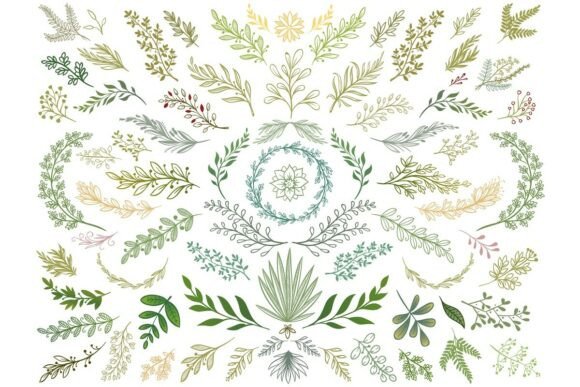
Understanding the nuance of nature green plants leaf illustrations is the first step toward mastery. These assets typically come in sets featuring hand drawn greenery branches, isolated vector illustrations, and vintage floral decorative botanical elements. While the variety is exciting, it can also be overwhelming. A common pitfall is selecting graphics based solely on aesthetic appeal without considering technical compatibility or stylistic coherence. You might fall in love with a lush, detailed fern sketch, only to realize later that its line weight clashes with the minimalist typography of your project. This disconnect creates visual friction, distracting the viewer rather than guiding their eye. To avoid this, always evaluate the stroke width and texture of the greenery against your existing design elements before committing to a purchase or download.
Avoiding Resolution and Format Traps
One of the most frequent mistakes involves misunderstanding file formats, particularly when working with decorative sketch leaves isolated vector illustration set files. Beginners often assume that all "vector" files are created equal, but this is rarely the case. Some assets marketed as vectors are actually high-resolution raster images embedded within an SVG or EPS container. When you scale these up for a large format print, such as a banner or storefront window, they pixelate and lose their crisp, hand-drawn charm. This error can be costly, both in terms of wasted budget and missed deadlines.
To ensure you are getting true scalability, check the file structure in your design software. A genuine vector allows you to manipulate individual anchor points and paths. If you cannot ungroup the elements or edit the curves of a branch and flower component, you are likely dealing with a rasterized image. Always look for descriptions that explicitly mention editable paths and CMYK color support if you intend to print. For web use, ensure the assets are optimized for screen resolution to prevent slow loading times, which can negatively impact user experience and SEO rankings.
The Peril of Stylistic Inconsistency
Another area where designers often miss the mark is mixing incompatible artistic styles within a single project. The term Decor Leaves. Hand Drawn Greenery encompasses a vast range of aesthetics, from rough charcoal sketches to polished ink outlines and watercolor washes. Combining a gritty, textured oak leaf with a sleek, modern monstera illustration can result in a disjointed composition that feels amateurish. Consistency is key to establishing a cohesive brand voice or narrative theme.
Before assembling your toolkit, define the mood you wish to convey. Are you aiming for a rustic, farmhouse vibe? Then, seek out vintage floral decorative botanical elements with weathered textures and muted earth tones. Is your goal a fresh, contemporary look? Opt for clean lines and vibrant greens found in modern nature green plants leaf collections. Stick to one primary style throughout your project. If you must mix styles, do so intentionally by using a unifying color palette or applying a consistent texture overlay to blend the disparate elements together seamlessly.
Overlooking Licensing and Usage Rights
Perhaps the most dangerous oversight occurs not in the design phase, but in the legal preparation. Many creators download free or low-cost hand drawn greenery branches without thoroughly reading the license agreement. This can lead to severe consequences if the asset is used commercially without permission. Some licenses restrict usage to personal projects only, while others require attribution or limit the number of end products sold. Ignoring these terms can result in copyright strikes, financial penalties, and damage to your professional reputation.
Always verify the licensing terms before incorporating any asset into a client project or a product for sale. Look for "Commercial Use" labels and understand the difference between a standard license and an extended license. If you are creating a template for resale, for instance, you may need specific permissions that go beyond standard usage rights. When in doubt, contact the creator directly or choose assets from reputable marketplaces that provide clear, standardized licensing information. This due diligence protects your business and ensures peace of mind as you scale your creative endeavors.
Optimizing Workflow and Organization
Efficiency often takes a backseat when designers are excited about new resources. It is easy to download dozens of decorative sketch leaves isolated vector illustration set packs and leave them disorganized in a cluttered folder. Later, when you are under pressure to deliver, searching for that perfect eucalyptus sprig becomes a time-consuming frustration. This lack of organization slows down your workflow and stifles creativity.
Adopt a systematic approach to managing your library. Categorize your assets by style, season, color palette, or plant type. Rename files descriptively rather than keeping generic names like "leaf_01.svg." Consider creating a visual catalog or a mood board where you can quickly preview your collection. By investing time in organization upfront, you streamline your future projects, allowing you to focus on the creative aspects of design rather than administrative hunting. This habit is especially valuable for freelancers and small business owners who manage multiple clients and tight schedules.
Ultimately, the power of Decor Leaves. Hand Drawn Greenery lies in its ability to elevate simple designs into something memorable and emotionally resonant. By paying attention to technical details, maintaining stylistic consistency, respecting licensing agreements, and organizing your resources, you can harness the full potential of these botanical treasures. Whether you are a marketer looking to enhance social media graphics or an educator creating engaging learning materials, these tools offer endless possibilities. Approach them with intention and care, and they will reward you with designs that stand out in a crowded digital landscape.