Embracing the Classic: A Guide to Vintage Tattoo Designs with Decorative Scrolls and Machines
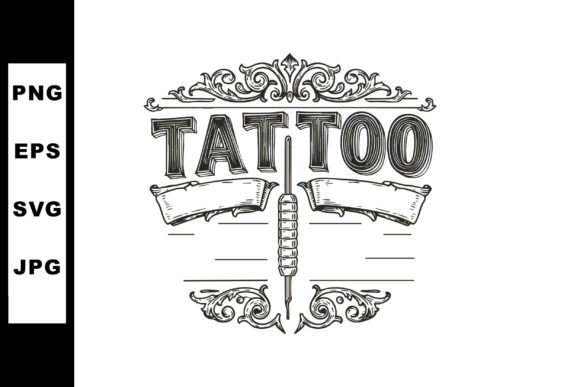
The world of tattoo art is vast, spanning from hyper-realistic portraits to abstract geometric patterns. Yet, amidst this modern explosion of styles, there remains an enduring fascination with the past. Vintage tattoo designs hold a special place in the hearts of enthusiasts and artists alike. They evoke a sense of nostalgia, craftsmanship, and timeless beauty that few other styles can replicate. One particularly striking example of this aesthetic is a design featuring decorative scrolls intertwined with a classic tattoo machine, rendered in stark black and white.
This article explores the significance of such designs, their artistic roots, and how digital assets like vector files are transforming the way we interact with this classic imagery. Whether you are a tattoo artist, a graphic designer, or simply someone who appreciates vintage aesthetics, understanding the layers behind these images can deepen your appreciation for the craft.
The Allure of Black and White Vintage Aesthetics
When we speak of "vintage" in the context of tattooing, we are often referring to the traditional American style, also known as "Old School." This style emerged in the early 20th century and was popularized by legends like Sailor Jerry. However, the specific design mentioned here—a tattoo machine surrounded by decorative scrolls—leans slightly towards a more illustrative, engraving-like quality. The use of black and white is crucial here. It strips away the distraction of color, forcing the viewer to focus on line weight, shading, and composition.
The absence of color conveys an artistic and classic mood. It mimics the look of old etchings, newspaper prints, and early photography. For many, this monochromatic approach feels more serious and refined. It suggests that the image is not just a decoration but a piece of history. The contrast between the mechanical rigidity of the tattoo machine and the fluid, organic curves of the decorative scrolls creates a visual tension that is pleasing to the eye. This balance between the industrial and the ornamental is a hallmark of high-quality vintage design.
Symbolism of the Tattoo Machine and Scrolls
To truly understand the power of this design, one must look at its components. The tattoo machine is not merely a tool; it is a symbol of the trade itself. It represents the artist’s hand, the pain, the permanence, and the transformation of skin into canvas. Including it in a design is a meta-commentary on the art form. It honors the instrument that makes the magic happen.
On the other hand, decorative scrolls have a long history in art and architecture. Originating from classical Greek and Roman motifs, scrolls were used to frame important text or images. In tattooing, they often serve as banners for names, dates, or mottos. When combined with the tattoo machine, the scrolls soften the mechanical nature of the device. They add elegance and flow, suggesting that the act of tattooing is not just a mechanical process but an artistic ritual. This combination tells a story of respect for the craft, blending the hard tools of the trade with the soft beauty of artistic expression.
The Role of Vector Graphics in Modern Design
In today’s digital age, the creation and distribution of art have changed dramatically. The description of this design mentions that it is available as a vector file, included in a downloadable ZIP archive with formats like SVG, EPS, JPG, and PNG. For those unfamiliar with digital design, understanding the difference between these formats is essential for practical application.
A vector image is created using mathematical paths rather than pixels. This means that no matter how much you zoom in or enlarge the image, it remains crisp and clear. There is no pixelation or blurriness. This is incredibly important for tattoo artists who may need to scale a design up to fit a large back piece or down for a small wrist tattoo. The SVG (Scalable Vector Graphics) and EPS (Encapsulated PostScript) files included in the ZIP are perfect for this purpose. They allow designers and artists to manipulate the lines, adjust the thickness, and resize the artwork without losing any quality.
Conversely, JPG and PNG files are raster images, made of pixels. While they are not scalable in the same way vectors are, they are highly useful for previews, social media posts, or reference images on a tablet. The inclusion of all four formats in a single package ensures that the user has maximum flexibility. Whether you are printing a flyer for a tattoo shop, creating a logo, or preparing a stencil for skin, having access to both vector and raster versions of the same vintage design is invaluable.
Practical Applications for Artists and Businesses
The availability of such high-quality digital assets has democratized design. Small business owners, independent tattoo artists, and hobbyists can now access professional-grade imagery without needing to hire an illustrator for every project. Here are several ways this specific vintage design can be utilized:
- Tattoo Shop Branding: The image of a tattoo machine with scrolls is iconic. It can serve as a central element in a shop’s logo, conveying professionalism and a respect for tradition.
- Merchandise Design: The black and white aesthetic translates well to t-shirts, hats, and stickers. The high-contrast lines ensure the design remains visible and striking on various fabrics.
- Educational Materials: Tattoo apprentices often study classic designs to learn line work and shading. A clean vector file allows them to trace and practice the curves of the scrolls and the structure of the machine.
- Digital Content: Bloggers and social media influencers in the tattoo niche can use the JPG or PNG files to create engaging headers or background images for their posts.
Bridging Tradition and Technology
It might seem contradictory to use modern digital tools to celebrate a vintage style. However, this fusion is exactly what keeps traditional arts alive. By digitizing these classic motifs, we preserve them for future generations. We make them accessible to a global audience. A designer in Tokyo can use the same vector file as an artist in New York, adapting it to their local context while maintaining the core aesthetic integrity.
Moreover, the precision of vector software allows for a level of cleanliness that hand-drawn sketches sometimes lack. While the charm of a hand-drawn sketch is undeniable, a vector file provides a standardized base. Artists can then add their own flair—perhaps thickening certain lines for boldness or adding subtle shading effects—knowing that the foundational structure is sound. This blend of classic mood and modern efficiency is what makes such resources so powerful in today’s creative economy.
Common Misunderstandings About Vintage Designs
One common assumption is that "vintage" means "outdated." Some might argue that sticking to old styles limits creativity. However, this view overlooks the cyclical nature of fashion and art. Vintage designs are not static; they are reinterpreted constantly. The decorative scrolls in this design, for instance, can be modified to include modern elements, or the tattoo machine can be stylized to look more futuristic while retaining the scrollwork framework. The key is understanding the principles behind the style—balance, contrast, and symbolism—rather than just copying the surface appearance.
Another misconception is that black and white designs are "boring" compared to colorful ones. In reality, working in monochrome requires a deeper understanding of light and shadow. Without color to hide behind, every line must count. This constraint often leads to more thoughtful and impactful compositions. The vintage tattoo machine design exemplifies this; its impact comes from the interplay of positive and negative space, not from vibrant hues.
Conclusion: The Enduring Power of Classic Imagery
The vintage tattoo design featuring decorative scrolls and a tattoo machine is more than just a pretty picture. It is a tribute to the history of body art, a celebration of craftsmanship, and a versatile digital asset for modern creators. By offering this design in multiple formats—including scalable vectors like SVG and EPS—the creators have ensured that it can be adapted for a wide range of uses, from large-scale murals to small digital icons.
For anyone looking to connect with the roots of tattoo culture, or simply seeking a design that exudes elegance and tradition, this type of imagery offers a perfect starting point. It reminds us that while technology changes, the desire for meaningful, beautifully crafted art remains constant. Whether you are an artist looking for inspiration or a business owner building a brand, embracing these classic elements can add a layer of depth and authenticity to your work. As we move forward in an increasingly digital world, holding onto these tangible links to our artistic past helps ground our creativity in something real, lasting, and profoundly human.